


Why Electric Scooter Brakes Squeak & How to Fix
Squeaky brakes on an electric scooter are one of the most common issues riders experience. While the noise can be annoying, it is often a sign of normal wear or minor maintenance needs rather than a serious failure.
In most cases, brake noise can be fixed quickly by cleaning, adjusting, or replacing brake pads. This guide will help you understand why it happens and how to solve it effectively.

Why Do Electric Scooter Brakes Squeak?
1. Worn Brake Pads
Brake pads naturally wear down over time. When the friction material becomes too thin, metal may begin to contact the brake disc, creating a high-pitched squeaking sound.
2. Dust, Dirt, or Debris
Riding in urban or off-road environments can cause dust and debris to build up on the braking system, leading to noise and reduced performance.
3. Misaligned Brake Pads
If brake pads are not installed evenly, they may rub unevenly against the rotor, causing squeaking and vibration.
4. Moisture or Light Rust
Exposure to rain or humidity can create a thin layer of rust on the brake disc, especially if the scooter is stored outdoors.

Is It Dangerous to Ride With Squeaky Brakes?
Squeaking itself is not always dangerous, but it can indicate reduced braking efficiency. If the issue is caused by worn brake pads, your stopping distance may increase, which can affect safety.
It is recommended to inspect your braking system as soon as possible if the noise continues.
How to Fix Squeaky Electric Scooter Brakes
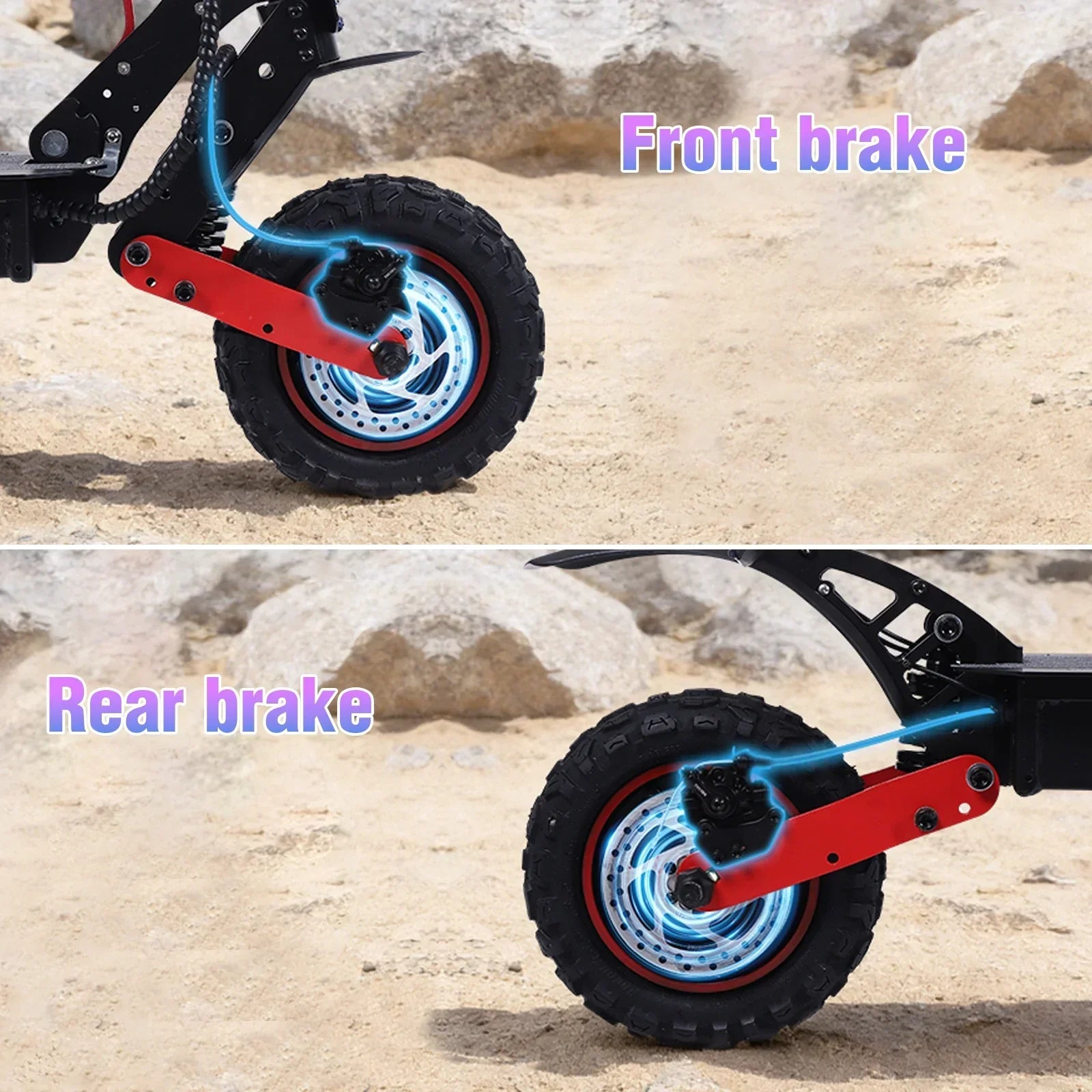
1. Clean the Brake System
Use a clean cloth or brake cleaner to remove dust and debris from the brake disc and pads.
2. Check Brake Pad Alignment
Make sure both pads are evenly positioned and properly aligned with the rotor.
3. Lightly Sand Brake Pads (Optional)
For minor glazing, gently sanding the surface can help restore smooth contact.
4. Replace Worn Brake Pads (Most Effective Solution)
If the pads are too thin or damaged, replacement is the best and safest solution.
Brake Pad Wear Signs & Maintenance Tips

It is important to know when your brake pads need to be replaced and how to properly maintain them to ensure safe and smooth riding.
You should consider replacing your brake pads if you notice brake noise continues even after cleaning, braking distance becomes noticeably longer, the brake pad material appears visibly thin, or you hear a metal-on-metal sound during braking. These are clear indicators that the brake pads are worn out and should be replaced as soon as possible to maintain safe braking performance.
To prevent brake squeaking and extend the lifespan of your brake pads, regular maintenance is essential. Clean brake components regularly to remove dust and debris, avoid riding in excessive mud or water when possible, and check brake wear every few weeks. It is also recommended to replace brake pads before they become too thin, rather than waiting for complete wear, to ensure consistent braking efficiency and safety.
Shop Electric Scooter Brake Pads →
Compatibility Notice & Size Guide
To better serve our customers, we have made all of our brake pads available in one collection link, directly from our factory supply.
These brake pads are originally designed for FREEBOY electric scooters, but they are also widely compatible with many other electric scooter and electric dirt bike brands, as long as the brake pad size matches.
In addition to FREEBOY models, they may also fit a wide range of popular scooters and e-bikes in the market, including brands such as Segway-Ninebot, NIU, Apollo, Razor, Hiboy, Gotrax, as well as Sur-Ron and Talaria electric dirt bikes, depending on the correct size selection.
Please note that compatibility is determined by dimensions rather than brand name. We strongly recommend checking the size specifications shown in each product image before purchasing to ensure the correct fit for your brake system.
Conclusion
Squeaky brakes are usually caused by wear, dirt, or minor alignment issues. In most cases, cleaning or adjustment helps, but worn brake pads should be replaced to ensure safe riding.
Always choose the correct size based on measurements, and check your brake pads regularly to maintain smooth and reliable braking performance.
Share:
48V vs 60V Electric Scooter: Which One Is Better for You in 2026
Mother’s Day Scooter Gift Guide 2026