


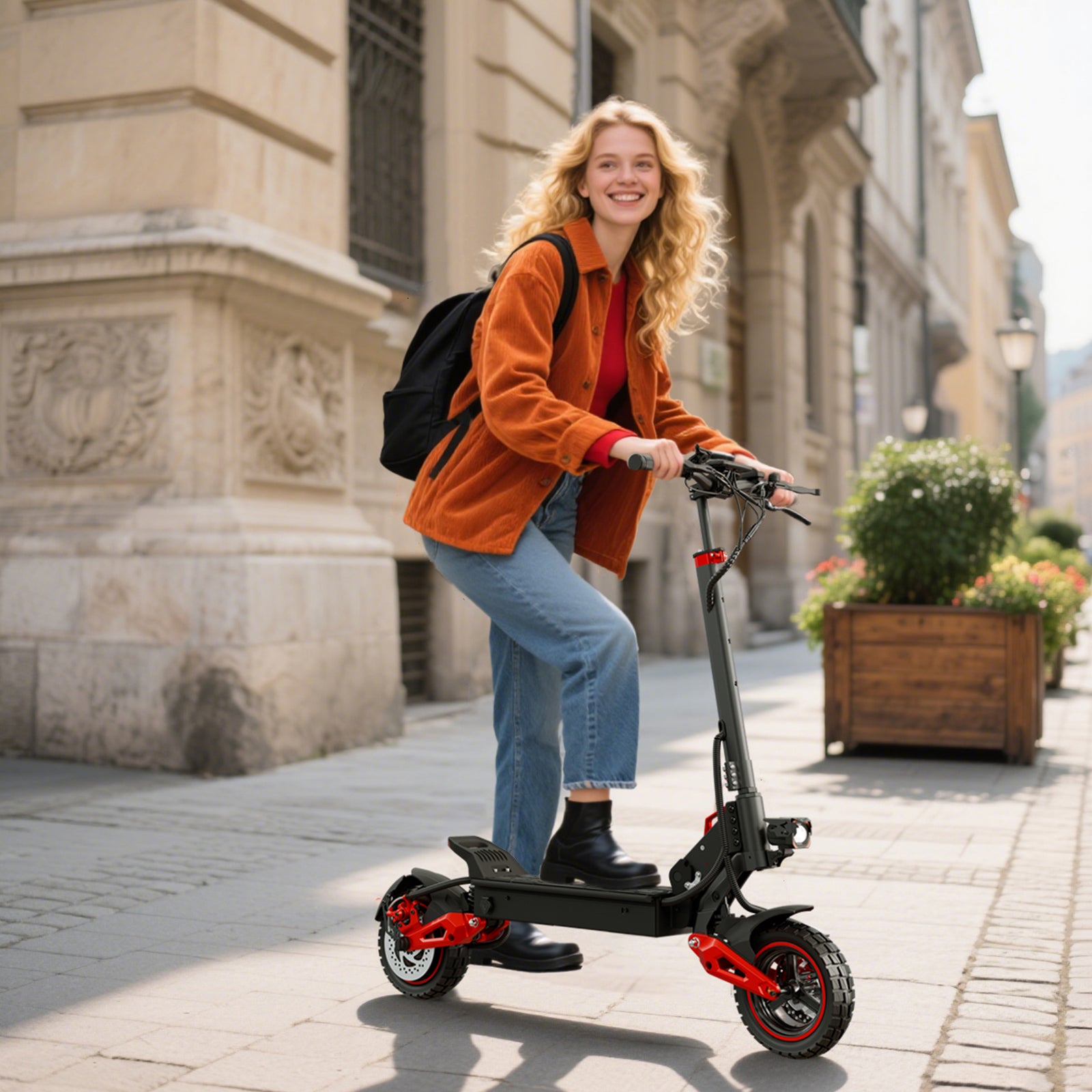

Most electric scooters look similar at first glance. A deck, handlebars, motor, battery — the essentials rarely change. But once you start riding, something becomes immediately clear: the way a scooter feels is largely defined by its tires.
Tires are the only part of the scooter that constantly touches the ground. They decide how vibration travels through the frame, how confident you feel when turning, and how stable the scooter remains on uneven urban roads. Yet for many riders, tires are often overlooked until something feels wrong.
This guide breaks down electric scooter tires in a clear, practical way — not with heavy technical language, but with real riding experience in mind. If you care about comfort, safety, and everyday ride quality, tires deserve your attention.
Why Tires Matter More Than You Think

Every bump, crack, and surface transition starts at the tires. When tires handle impacts well, the scooter feels smooth and composed. When they don’t, vibrations travel straight into your hands, knees, and lower back. Over time, this doesn’t just affect comfort — it affects confidence and control. Good tires support you in the moments that matter most: they help maintain steady grip while braking, feel more predictable when you lean into a turn, reduce the constant buzzing that causes fatigue on longer rides, and keep the scooter composed even when the road surface isn’t perfect. Even the most powerful motor cannot compensate for tires that struggle to maintain grip or absorb road texture.
Main Types of Electric Scooter Tires
Pneumatic (Inflatable) Tires

Pneumatic tires use air pressure to absorb impacts and smooth out road imperfections. This natural cushioning makes them one of the most comfortable options for everyday riding. Riders often describe scooters with pneumatic tires as more forgiving and easier on the body, especially during longer commutes. They adapt well to varied urban surfaces and offer reliable grip. Instead of feeling every small crack in the pavement, your ride feels calmer and more controlled — like the scooter is “settling” into the road rather than bouncing off it. That’s the kind of comfort that makes morning commutes feel less tiring and weekend rides feel more enjoyable.
In fact, most FreeboyScooter models use pneumatic (inflatable) tires, because they deliver that smooth, confidence-inspiring feel riders notice immediately. Whether you’re cruising through city streets or dealing with everyday surface changes, inflatable tires simply make the ride more comfortable, more stable, and more enjoyable — especially when you ride often.
Solid Tires
Solid tires are made from dense rubber and contain no air. Their main advantage is simplicity — there is no risk of air loss and minimal maintenance is required. However, solid tires transfer more vibration directly to the rider. On rough surfaces, they can feel stiff and unforgiving, especially without suspension support. They may work well for riders who value low upkeep and short rides, but the tradeoff is usually a firmer, more direct feel over everyday pavement.
Honeycomb / Hollow Solid Tires

These tires aim to bridge the gap between pneumatic and solid designs. Their hollow structure helps absorb some vibration while remaining airless. While they don’t match the comfort of pneumatic tires, they do reduce harshness compared to fully solid options and require very little upkeep. They’re often chosen by riders who want a smoother ride than standard solid tires, but still prefer a simpler tire setup.
In the FreeboyScooter lineup, some J03 versions use honeycomb tires, which is a smart choice for riders who want a more worry-free setup while still enjoying a noticeable improvement in ride comfort compared to traditional solid tires. With their built-in shock-absorbing structure, honeycomb tires offer a practical balance: less maintenance, fewer tire concerns, and a smoother feel for everyday riding.
Tubed vs Tubeless: What Riders Actually Experience
Tubed tires contain an inner tube, while tubeless designs seal directly against the rim. The difference becomes noticeable over time. Tubeless tires tend to offer better air retention and a lower risk of sudden air loss, which makes them feel more reliable in daily use. At the same time, tubed tires remain widely used across the electric scooter industry because they’re proven, familiar, and easier to service in many situations.
In fact, most FreeboyScooter models come with tubed tires, which helps ensure a stable, consistent riding experience while keeping the tire structure straightforward and dependable. For many riders, especially those using their scooter for commuting and regular city riding, a tubed setup offers a practical balance between comfort, serviceability, and long-term reliability.
Tread Patterns and Grip: How Tires Meet the Road

Tread patterns play a major role in how a scooter behaves, especially on wet or uneven surfaces. A smoother tread often feels quieter and more efficient on clean pavement, while a more moderate pattern can add extra confidence when braking or turning by improving grip and stability. More aggressive tread designs typically provide stronger traction on varied terrain, but they may also introduce more road noise and a slightly heavier rolling feel. The best choice isn’t about looking “tough” — it’s about how naturally the tire supports your riding environment and how secure it feels when conditions change.
Comfort vs Control: Finding the Right Balance
Comfort and control are closely linked. Tires that are too stiff transmit excessive vibration, while tires that are too soft can feel vague or unstable during turns. The goal is balance — filtering harsh impacts while maintaining clear feedback from the road. New riders often prefer a smoother, more forgiving ride that builds confidence, while experienced riders usually appreciate a tire that responds predictably and stays composed when riding more actively. Freeboy’s tire approach reflects this balance, focusing on real-world ride quality that feels stable, comfortable, and easy to trust over time.
Common Tire Issues Riders Experience
Many of the most common riding complaints can be traced back to tire behavior, even when riders don’t realize it at first. A scooter may start to feel less secure in turns, more harsh on normal pavement, or slightly less stable than it used to. Sometimes the ride becomes noisier, or the scooter feels like it has lost that smooth “glide” it had when new. These issues often develop gradually, which is why tires are easy to ignore until the discomfort becomes obvious. Paying attention to small changes in how the scooter feels can help riders spot tire-related problems early and maintain a safer, more enjoyable ride.
Tire Maintenance Basics (Simple but Important)

Good tires don’t require constant attention, but basic care makes a noticeable difference in how long they last and how consistently they perform. A quick habit of checking tire condition helps you catch early signs of wear, while keeping the tire surface clean prevents debris from building up and affecting grip. If the ride suddenly feels rougher, noisier, or less stable than usual, addressing it early is almost always easier than waiting for it to become a bigger issue. And while scooters are built for urban roads, avoiding unnecessary impacts whenever possible helps reduce stress on the tires and keeps the ride feeling smoother for longer. Well-maintained tires don’t just improve comfort — they also help protect the scooter’s overall structure, including the frame and suspension system, over time.
Who Benefits Most from Quality Tires?
Almost every rider benefits from better tires, but the difference is especially noticeable for people who ride often or rely on their scooter for commuting. If your daily route includes uneven pavement, surface transitions, or weather changes that affect traction, quality tires can make your ride feel calmer and more predictable. Riders who care about comfort also tend to appreciate how a good tire reduces fatigue and helps the scooter feel smoother over longer distances. For beginners, that extra stability builds confidence and helps the scooter feel easier to control. For experienced riders, it’s about consistency — the kind of reliable feedback and grip that makes every ride feel more precise and enjoyable.
Final Thoughts: Tires Are the Feel of the Ride
Tires are not just components — they are the foundation of your riding experience. You may not notice them immediately, but you feel their influence on every ride: in how smoothly the scooter glides, how confidently it turns, and how stable it feels beneath you. At Freeboy, tire selection is not an afterthought. It’s part of a broader focus on real-world ride quality — comfort, control, and confidence that last beyond the first few rides.
If you’re choosing an electric scooter, don’t just look at specs. Think about how you want the ride to feel — and let the tires tell the story.
Share:
Electric Scooter Suspension: The Difference You Feel on Every Ride
Why Folding Design Matters More Than You Expect on an Electric Scooter